October 27, 2026
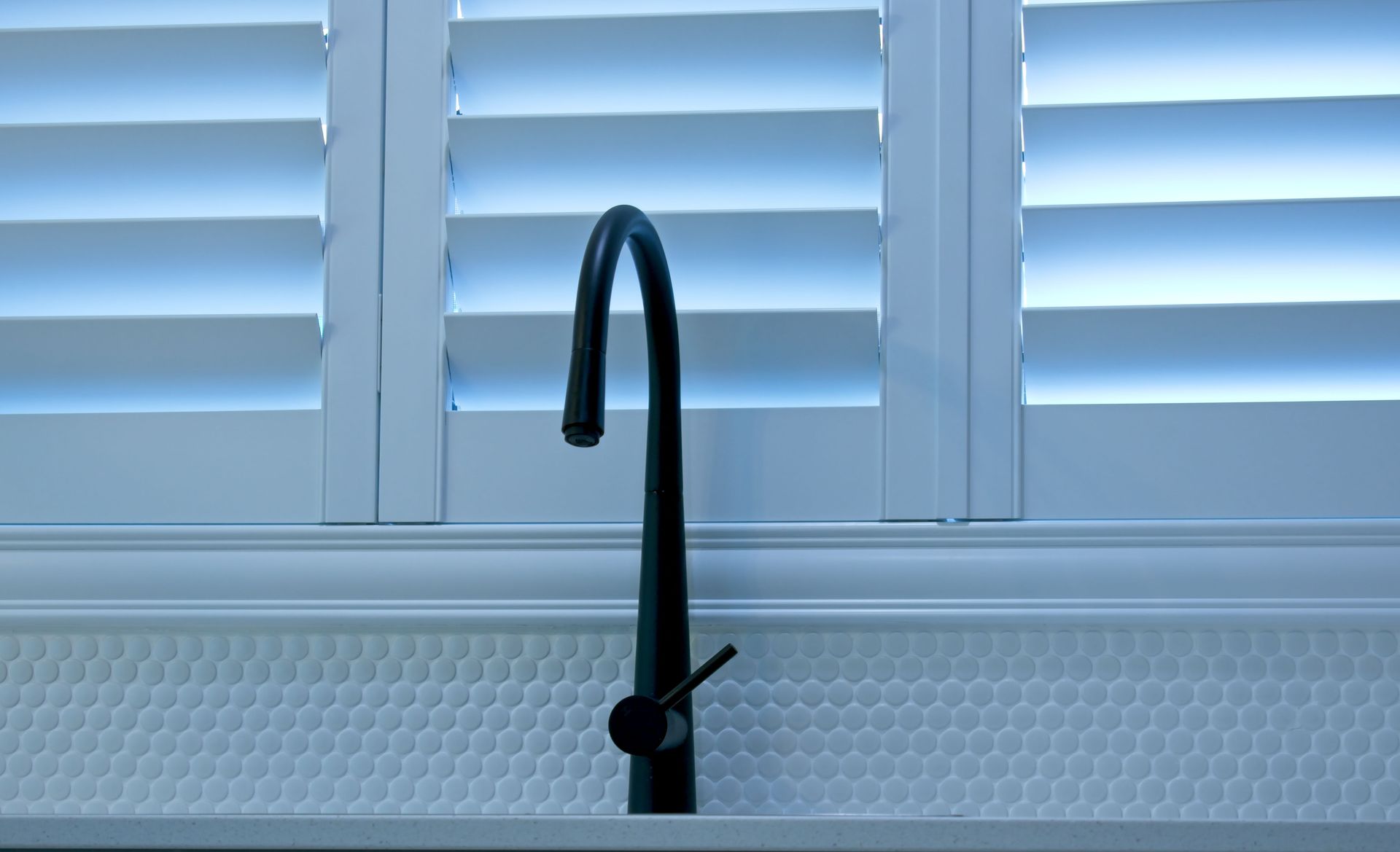
Choosing new window treatments involves more than finding a style that complements your furniture. The materials, dimensions, operating features, and installation method all affect how comfortably a room functions. Shutters can offer adjustable light, privacy, and a tailored appearance, but not every design suits every window or household. Before ordering plantation shutters, homeowners should consider how they use each room, what maintenance they can manage, and how much they want to invest. Understanding the practical decisions involved can help prevent sizing mistakes, unexpected costs, and disappointing results after installation.
1. Evaluating Your Windows and Room Requirements
Start by examining the windows where you want new coverings. Window size, depth, shape, and surrounding trim influence which shutter configurations will fit. A standard rectangular window may accommodate a straightforward installation, while an arched opening, narrow recess, or unusually wide window may require a more specialized design. Look for handles, locks, and other hardware that could interfere with moving panels. These details matter because attractive shutters are only useful when they open, close, and adjust without obstruction.
Consider how each room is used throughout the day. Bedrooms may need stronger light control and privacy, while living rooms may benefit from flexible daylight and outdoor views. Bathrooms and kitchens introduce moisture and cleaning concerns that deserve special attention. If furniture sits close to a window, consider whether there will be room to swing shutter panels open. Reviewing practical needs before choosing a design makes it easier to identify the features that will serve your household.
2. Comparing Materials and Their Maintenance Needs
Material selection affects appearance, weight, durability, and upkeep. Wood shutters provide a natural finish and can suit traditional or contemporary interiors, depending on the paint or stain. Composite and other engineered materials offer different characteristics, including options intended for areas where moisture is a concern. Product quality and manufacturer specifications vary, so avoid assuming that all materials in the same category perform identically. Ask which options are appropriate for the temperature, humidity, and daily conditions in your home.
Before purchasing plantation shutters, think about the cleaning routine you can realistically maintain. Louvers collect dust, and textured finishes or decorative details may take more time to wipe down. Some materials require particular cleaning products or care methods to protect their surfaces. Ask about recommended cleaning techniques, resistance to fading, and any limitations on use near sinks or showers. A material that looks appealing in a showroom should also be practical for the room where it will be installed.
3. Selecting Louver Sizes and Panel Configurations
The width of the louvers changes both the appearance and the function of shutters. Wider louvers generally create a more open look and can provide a broader view between slats when adjusted. Narrower louvers introduce a different visual rhythm and may complement certain window sizes or architectural styles. Neither option is automatically right for every room. Compare samples against your actual windows and consider how the louvers look from inside the room as well as from outdoors.
Panel configuration deserves equal attention. Depending on the window, shutters may use one or multiple panels, and the way those panels fold or swing can affect access to the glass. Divider rails or split-control arrangements may allow upper and lower louvers to operate separately, providing flexibility when you want daylight without exposing the entire room. Discuss these options with an installer before placing an order. The right arrangement should accommodate window hardware, nearby furniture, and your preferred method of operation.
4. Understanding Light Control and Privacy Limitations
Adjustable louvers let homeowners change the amount and direction of incoming daylight without completely uncovering the window. Tilting the slats can reduce glare on televisions and computer screens or limit direct views from outside. However, shutters are not necessarily blackout coverings. Small gaps around panels and between louvers may still admit light, particularly when sunlight strikes the window directly. If you need a very dark bedroom, discuss whether an additional window treatment would be appropriate.
Privacy also depends on the window's location and the viewing angle. Street-facing rooms, ground-floor bathrooms, and windows near neighboring properties may require different adjustments throughout the day. Plantation shutters can offer useful control, but their effectiveness depends on the selected configuration and how the louvers are positioned. Consider testing samples in different lighting conditions if possible. Setting realistic expectations about visibility and light leakage can help you choose a solution that suits daily routines rather than appearance alone.
5. Planning Your Budget and Comparing Estimates
Shutter pricing depends on window dimensions, material, finish, design complexity, and installation requirements. Larger openings, unusual shapes, and custom configurations can increase the total cost. According to Transparency Market Research, citing the U.S. Department of Energy, approximately 30% of a home's heating energy escapes through windows, while roughly 76% of the sunlight hitting standard windows passes through and turns into heat. These figures highlight the importance of considering energy efficiency when evaluating window treatments. Actual estimates may differ based on the products selected and the work required at your property.
When comparing estimates for plantation shutters, ask what each price includes. Measurement, hardware, finishing details, removal of existing coverings, and installation may be itemized differently by different providers. Confirm whether taxes, delivery charges, or adjustments for unusual windows are included. It is also worth asking about payment terms and how changes to the original order are handled. Comparing the full scope of work, rather than only the lowest advertised price, can reduce surprises once the project begins.
6. Preparing for Professional Measurements and Installation
Accurate measurements are especially important when window coverings are made to fit specific openings. Even windows that appear identical may differ slightly in width, height, or depth. Installation choices also depend on whether the shutter frame will sit inside or outside the existing opening. A professional can evaluate these conditions, check for obstructions, and discuss how the finished product will sit against surrounding trim. Avoid relying solely on rough measurements when ordering custom products.
Before installation day, clear furniture and fragile items from the work area and ensure the installer can reach each window safely. Ask whether existing blinds or curtains need to be removed beforehand and whether any wall or trim preparation is necessary. Homeowners should also confirm the expected production and installation timeline, particularly when ordering custom plantation shutters. After installation, open the panels and adjust the louvers to confirm smooth operation. Raise any fit or finish concerns while the installation details are still fresh.
7. Reviewing Warranties and Long-Term Care Expectations
Plantation shutters are a long-term purchase, so warranty details deserve attention before you commit. Coverage may differ for materials, finishes, hardware, and installation workmanship. Ask which problems are covered, how long protection lasts, and whether labor is included if a repair becomes necessary. Some warranties also have exclusions related to moisture, improper cleaning, or accidental damage. Understanding these terms can help you evaluate the overall value of competing products and make informed decisions about maintenance.
It is also useful to learn how to handle everyday adjustments and minor concerns. Louvers should move smoothly, and panels should close without forcing the hinges or frames. If a component becomes loose or difficult to operate, contact the installer or manufacturer rather than making modifications that could affect warranty coverage. Keep your purchase documents and care instructions somewhere accessible. Regular dusting, careful operation, and timely attention to problems can help maintain the appearance and usability of your new window coverings.
Choosing the right shutters requires careful attention to window dimensions, room conditions, materials, operating features, and overall cost. Understanding the limits of light control, reviewing installation details, and checking warranty terms can make the purchasing process more predictable. With thoughtful planning, plantation shutters can provide a practical combination of adjustable privacy and lasting visual appeal. If you are considering new window treatments and want guidance on options that fit your home, contact Stanfield Shutters today to discuss your project.